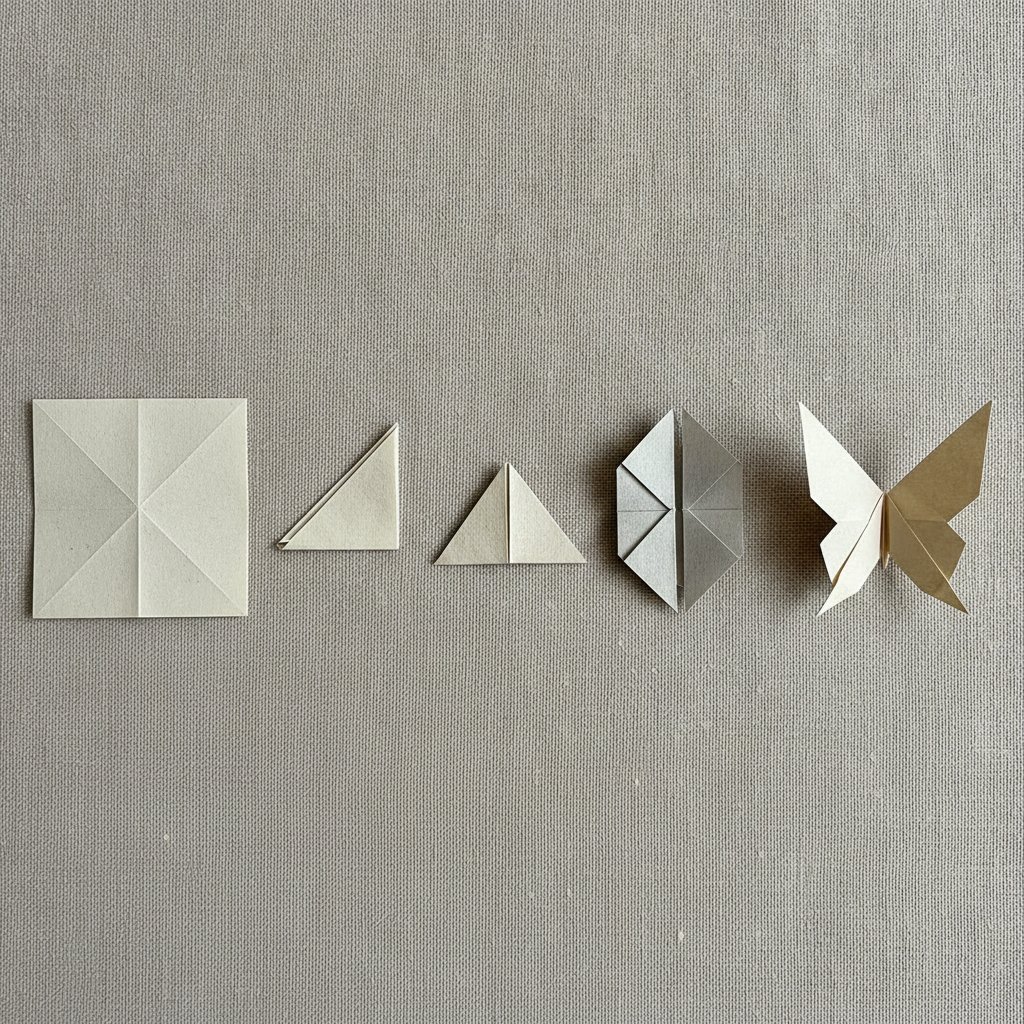
Origami transforms a flat sheet of paper into intricate three-dimensional forms through precise folds and techniques. Our courses provide systematic instruction in this traditional Japanese craft, covering fundamental principles and advanced methods. Whether you are starting with basic shapes or exploring complex geometric designs, our curriculum guides you through each stage of development. Classes are structured to build skills progressively, from simple models requiring five to ten folds to elaborate creations involving fifty or more steps. Students learn standard folding techniques including valley folds, mountain folds, reverse folds, and crimp folds. Each session includes hands-on practice with quality paper, detailed diagrams, and direct instruction. Our teaching approach emphasises accuracy, patience, and understanding of structural principles. Courses run throughout the year with flexible scheduling options. Small class sizes ensure individual attention and feedback. Materials are provided, though students may bring their own preferred papers. By the end of each course level, participants will have completed multiple projects and gained confidence in reading diagrams independently. Join our community of paper folders and develop a skill that combines geometry, creativity, and precision.
We offer structured paper folding instruction for all skill levels. Our courses cover traditional Japanese techniques, modern designs, and specialized applications. Each programme includes materials, step-by-step guidance, and practical exercises to develop your folding abilities systematically.
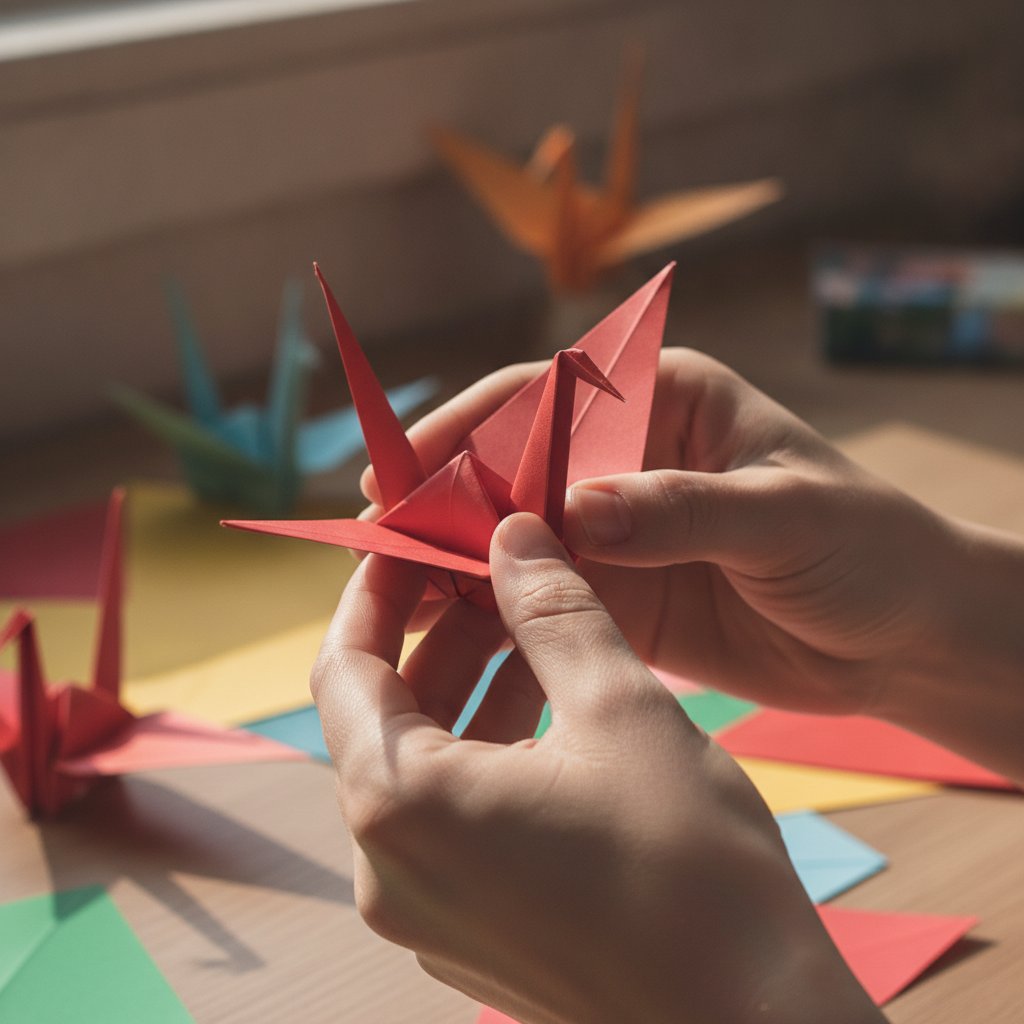
Learn fundamental paper folding techniques from scratch. This course covers basic folds including valley, mountain, and reverse folds. We work with simple models like cranes, boxes, and flowers. Students receive a starter kit with practice paper in various sizes. Perfect for those with no prior experience who want to understand core principles.
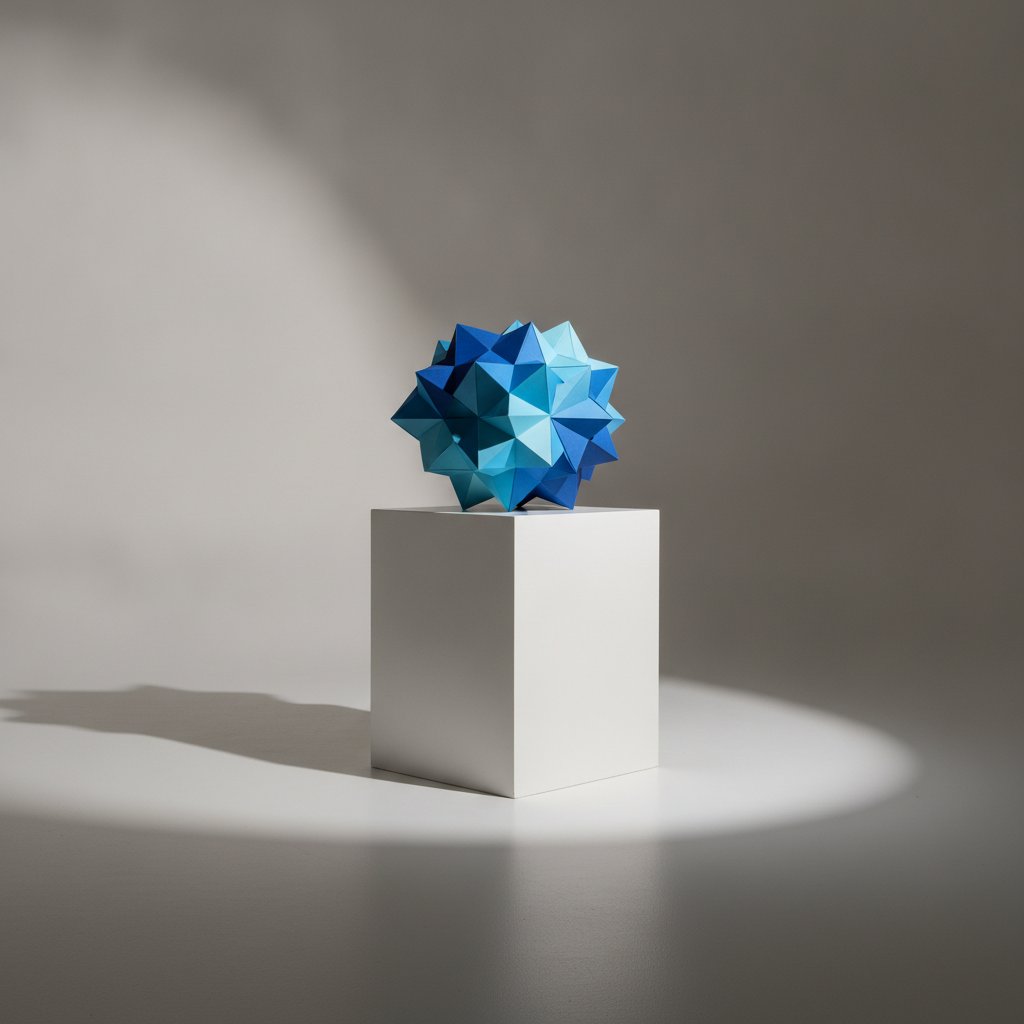
Advance your skills with complex folding patterns and multi-piece constructions. This programme introduces sinks, squash folds, and petal folds through detailed instruction. We create modular designs, geometric shapes, and intermediate animals. Students learn to read standard diagrams and develop spatial reasoning. Requires completion of foundation level or equivalent knowledge.
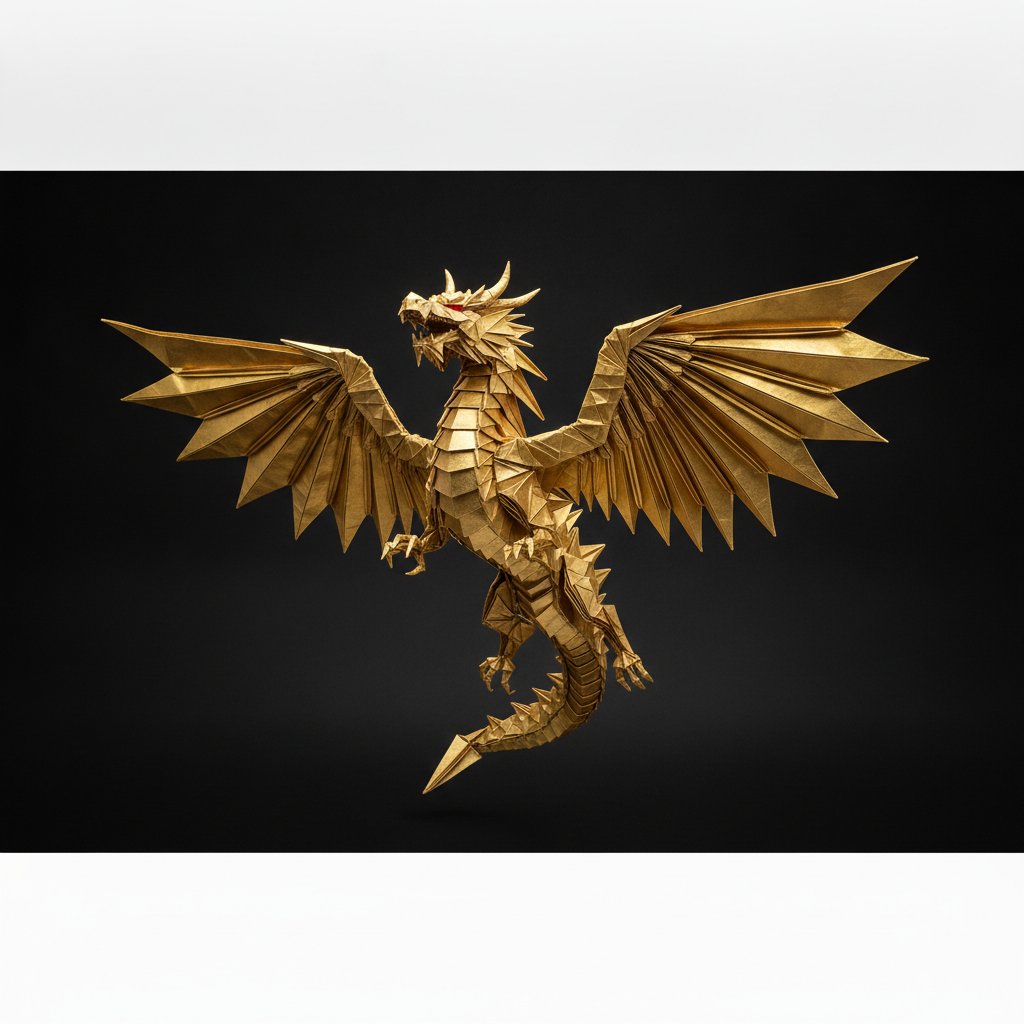
Master sophisticated folding sequences and create exhibition-quality pieces. This intensive course covers wet-folding, complex bases, and original design principles. Students work with specialized papers including foil-backed and tissue-foil combinations. We explore mathematical foundations and develop individual artistic style. Suitable for experienced folders seeking refinement and creative independence.
Study authentic Japanese folding traditions passed down through generations. This cultural course teaches classic models including samurai helmets, kimonos, and ceremonial designs. We discuss historical context, symbolic meanings, and proper etiquette. Students work exclusively with traditional washi paper. Includes demonstrations of seasonal decorations and gift-wrapping techniques specific to Japanese customs.
Create realistic animal figures using specialized folding techniques. This focused course covers mammals, birds, insects, and marine life with anatomical accuracy. We work from single sheets without cuts, developing proportions and characteristic features. Students learn shaping methods to add dimension and personality. Course includes 15 different species ranging from simple to moderately complex.
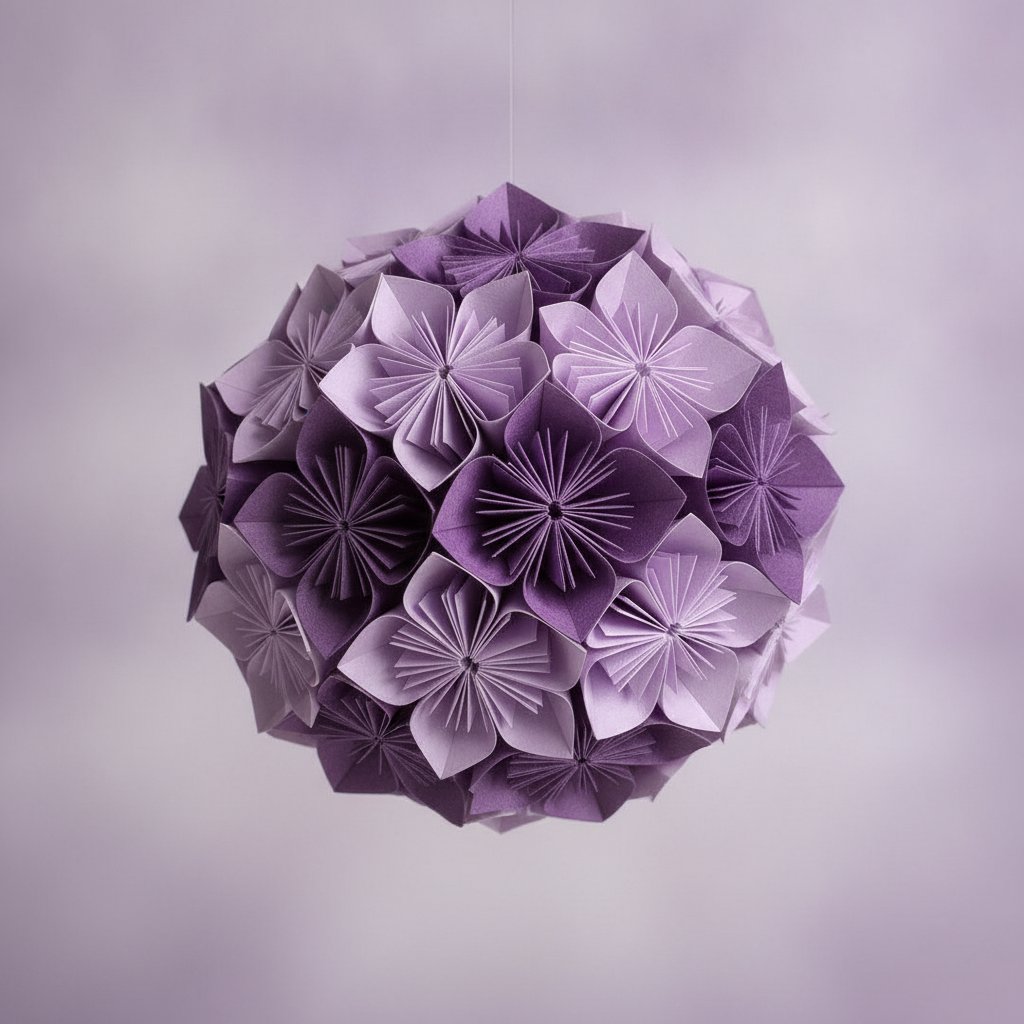
Build large-scale structures from multiple identical units fitted together. This mathematical course explores polyhedra, tessellations, and interlocking designs. Students create kusudama balls, geometric sculptures, and decorative installations. We examine symmetry principles and assembly strategies for stable constructions. No glue required - all connections use friction and clever engineering. Develops patience and precision.
Design folded pieces for home decoration and special occasions. This practical course covers wall hangings, table centerpieces, and seasonal ornaments. We combine folding with colour theory and composition principles. Students create wedding decorations, holiday displays, and personalized gifts. Course includes techniques for mounting, framing, and preserving finished works. Emphasis on aesthetic presentation and visual impact.
Engaging paper folding sessions designed for ages 7-12. This playful course teaches coordination, following instructions, and creative thinking. We make toys, puppets, and fun characters using child-friendly techniques. Each session includes games and storytelling elements. Small class sizes ensure individual attention. Parents receive take-home instructions to continue practice. Develops fine motor skills and concentration.
Learn to create your own models from concept to finished diagram. This theoretical course covers base design, circle-river method, and proportion calculation. Students use specialized software to test ideas and generate crease patterns. We analyze existing designs to understand structural principles. Course includes exercises in simplification and optimization. For folders wanting to move beyond following instructions.
Master elegant Japanese wrapping techniques using cloth and paper. This specialized course teaches furoshiki fabric folding and decorative paper methods. We create boxes, bags, and containers from flat materials without tape. Students learn bow-making, ribbon work, and embellishment placement. Covers wrapping for bottles, books, and irregular shapes. Includes sustainable alternatives to commercial packaging.
Explore geometry and mathematics through paper folding. This academic course demonstrates angle trisection, polygon construction, and problem-solving with folds. We examine Huzita-Hatori axioms and their applications. Students create geometric proofs and investigate computational origami. Suitable for mathematics enthusiasts and educators. No advanced maths background required - concepts explained clearly with hands-on demonstrations.
Use paper folding for relaxation, mindfulness, and stress reduction. This wellness course combines simple folding with breathing exercises and meditation. We focus on repetitive, calming patterns and gradual skill building. Students learn techniques suitable for anxiety management and cognitive therapy. Sessions include discussion of benefits for concentration and emotional regulation. Appropriate for all ages and abilities.
Create buildings, bridges, and structures using paper engineering. This technical course combines folding with cutting and scoring techniques. We build scale models, pop-up mechanisms, and kinetic sculptures. Students learn structural stability principles and load distribution. Covers both realistic architecture and fantastical designs. Useful for architects, designers, and model-making enthusiasts. Requires precision and planning skills.
Transform banknotes into creative gifts and decorations. This novelty course teaches designs specifically for currency dimensions. We create flowers, shirts, hearts, and animals from notes. Students learn respectful handling and reversible folds that preserve bills. Perfect for unique gift-giving and party tricks. Covers multiple currency sizes. Course uses practice paper - students may bring own notes. Fun and practical.
Make decorations and cards for holidays throughout the year. This festive course covers Christmas ornaments, Easter designs, Halloween figures, and celebration pieces. We work with themed papers and create both traditional and contemporary styles. Students learn quick projects suitable for craft fairs and family activities. Includes templates and instruction sheets for teaching others. New themes introduced each season with repeat enrolment options.
One-to-one instruction tailored to your specific interests and pace. This personalized service allows focus on chosen topics, whether mastering difficult models or developing teaching skills. We accommodate special requirements and flexible scheduling. Students progress faster with dedicated attention and customized curriculum. Sessions can be arranged at our studio or your location within London. Suitable for all levels and ages.
Explore the remarkable paper folding achievements from our courses. Each piece represents dedication, skill development, and creative expression through the ancient art of paper craft.
Find answers to common questions about our paper folding courses, from beginner basics to advanced techniques. Whether you're new to this craft or looking to refine your skills, we've compiled information to help you get started.
No prior experience is required for our beginner courses. We offer programmes designed for complete newcomers who have never folded paper before, as well as intermediate and advanced levels for those with existing skills. Each course clearly states its difficulty level, and our instructors assess your current abilities during the first session to ensure you're in the right group.
If you're unsure which level suits you, contact us at [email protected] or call +44 20 7583 9127, and we'll help you choose the appropriate starting point based on your background.
Course duration varies depending on the programme you select. Our introductory workshops run for 4 weeks with one 2-hour session per week. Standard courses typically span 8 to 12 weeks, meeting once weekly for 2.5 hours. Intensive programmes compress the same content into 4 to 6 weeks with twice-weekly sessions.
Specialist modules focusing on specific techniques or styles usually last 6 weeks. We also offer weekend workshops that cover particular projects in a single day, running from 10:00 to 16:00 with breaks included.
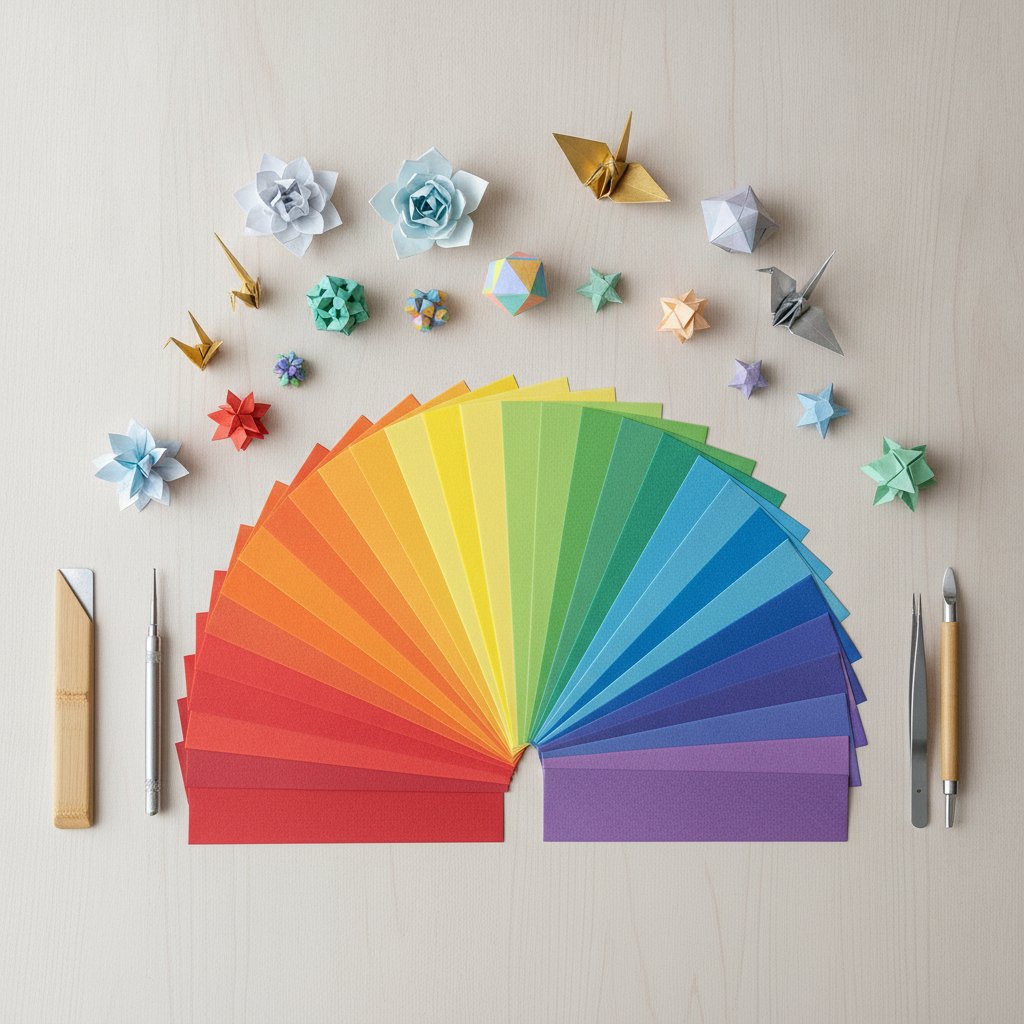
All necessary materials are provided as part of your course fee. This includes specialist paper in various sizes, weights, and colours suitable for different folding techniques. We supply practice sheets, reference diagrams, and any tools required such as bone folders or tweezers for detailed work.
You're welcome to bring your own paper if you prefer working with specific types, but this is entirely optional. We recommend bringing a notebook to record personal observations and a folder to keep completed models and handouts organised between sessions.
We offer dedicated courses for young learners aged 7 to 16 years. These sessions are structured differently from adult classes, with shorter attention spans considered and age-appropriate projects selected. Children under 12 must be accompanied by an adult who participates alongside them.
Our junior programmes focus on developing fine motor skills, spatial reasoning, and patience through engaging projects. Class sizes are limited to 8 students to ensure each child receives adequate attention. We also run family workshops where parents and children work together on collaborative pieces.
Our main teaching studio is located at 12 Elm Park Gardens, London, SW10 9PD. The space is purpose-designed with excellent natural lighting, individual work tables, and all equipment needed for comfortable learning. The venue is accessible via public transport, with South Kensington and Gloucester Road stations both within walking distance.
We also conduct sessions at community centres across London, including locations in Camden, Islington, and Greenwich. Online courses are available for those who prefer learning from home or cannot travel to our physical locations.
Late joining is possible for some courses, depending on how far the programme has progressed and whether you have relevant background knowledge. For beginner courses, we generally allow new students to join within the first two weeks, as foundational techniques are still being covered.
If you wish to join an ongoing course, we'll arrange a brief assessment to determine if you can comfortably catch up with the group. We provide catch-up materials and may offer a short individual session to cover missed content. Contact us to discuss specific courses and availability.
Yes, we provide live online courses via video conferencing platforms. These sessions mirror our in-person classes with real-time instruction, demonstrations using overhead cameras, and opportunities to ask questions. Online courses follow the same curriculum as studio-based programmes and are taught by the same instructors.
We also offer pre-recorded video tutorials for self-paced learning, though these don't include live feedback. Online students receive material kits posted to their address before the course begins. Technical requirements include a stable internet connection, a device with camera and microphone, and adequate workspace lighting.
Full refunds are available if you cancel more than 14 days before the course start date. Cancellations made 7 to 14 days before commencement receive a 50% refund. Unfortunately, we cannot offer refunds for cancellations made less than 7 days before the first session, though you may transfer your place to another person or move to a future course date subject to availability.
If we need to cancel a course due to insufficient enrolment or unforeseen circumstances, you'll receive a full refund or the option to transfer to an alternative programme. We'll notify you at least 5 days before the scheduled start if cancellation becomes necessary.
We maintain small class sizes to ensure quality instruction and individual attention. Standard courses have a maximum of 12 participants, while specialist workshops are limited to 8 students. This ratio allows instructors to observe each person's technique, provide personalised guidance, and address specific challenges.
Private tuition is available for those who prefer one-to-one instruction or have particular learning requirements. Small group bookings for 3 to 5 people can also be arranged, ideal for friends or colleagues who want to learn together at their own pace.
Our curriculum covers traditional Japanese methods as well as contemporary approaches. Beginners learn classic models including cranes, boxes, and flowers, mastering fundamental folds such as valley, mountain, reverse, and squash folds. Intermediate students progress to modular designs, wet-folding techniques, and geometric patterns.
Advanced courses explore complex subjects like realistic animals, human figures, and abstract sculptures. We also offer specialist modules in specific areas: tessellations, curved folding, action models, and decorative applications. Each course includes both following diagrams and developing your own creative variations.
All students who complete a full course receive a certificate of attendance from Quwupu. This document confirms the course title, duration, and level completed. For those pursuing teaching credentials, we offer accredited instructor training programmes that result in recognised qualifications.
Our advanced diploma courses include portfolio assessment and practical examinations. Successful candidates receive certification that demonstrates competency in specific techniques and teaching methods, which can support those wishing to run their own workshops or classes.
If you cannot attend a scheduled session, please inform us as soon as possible. We provide detailed notes and diagrams covering what was taught, along with any handouts distributed during the class. For online courses, recordings of live sessions are available for registered students to review.
Where possible, we can arrange a brief catch-up session before your next class, either in person or via video call, to ensure you haven't fallen behind. However, we cannot offer refunds or credits for individual sessions missed due to personal circumstances.
Each student receives a practice pack to take home, containing paper in various sizes and weights suitable for the models covered in class. We also provide printed diagrams and step-by-step instructions for all projects taught during the course, allowing you to revisit techniques between sessions.
Additional paper can be purchased from our studio at cost price, and we can recommend suppliers for specialist materials. Practice is essential for developing muscle memory and precision, so we encourage students to spend at least 30 minutes between classes working on the models covered.
Our adult courses are open to anyone aged 16 and above. We welcome students of all ages, from teenagers to retirees, and our classes typically include a diverse mix of age groups. The craft appeals to people at different life stages, whether seeking a creative hobby, stress relief, or a new skill to share with others.
We've found that mixed-age groups create enriching learning environments where participants share different perspectives and approaches. The only requirement is the ability to follow detailed instructions and perform precise hand movements for extended periods.
Gift vouchers are available for any of our courses or for monetary amounts that recipients can apply toward their chosen programme. Vouchers are valid for 12 months from the date of purchase and can be redeemed against any course running during that period, subject to availability.
We can post physical vouchers to you or the recipient, or send digital versions via email for immediate delivery. Gift vouchers make thoughtful presents for creative individuals, and we can include a personalised message if requested. Contact us at [email protected] to arrange purchase.
We accept payment via bank transfer, debit cards, and major credit cards including Visa, Mastercard, and American Express. Online bookings can be completed through our secure payment system, which processes transactions immediately and sends confirmation to your email address.
For in-person enrolment at our studio, we also accept cash and contactless payments. Payment plans are available for longer courses, allowing you to spread the cost over the duration of the programme. Contact our office during business hours to discuss payment options that suit your circumstances.
We design bespoke workshops for corporate team-building events, school groups, and private parties. These sessions can be tailored to your specific requirements, time constraints, and skill levels. Corporate workshops typically focus on collaborative projects that encourage communication and creative problem-solving.
We can deliver sessions at your venue or host groups at our studio. Pricing depends on group size, session duration, and any special requirements. We've worked with organisations ranging from 10 to 50 participants, creating memorable experiences that combine learning with enjoyment. Email [email protected] to discuss your needs.
Our team is available to answer questions via email at [email protected] or by phone at +44 20 7583 9127. Office hours are Monday to Friday from 9:00 to 18:00, and Saturday from 10:00 to 14:00. We're closed on Sundays.
You're also welcome to visit our studio at 12 Elm Park Gardens, London, SW10 9PD during business hours. We can show you the teaching space, discuss course options in detail, and provide sample materials. We typically respond to emails within one working day.
We provide structured learning with experienced instructors who understand both traditional techniques and contemporary applications. Our approach combines hands-on practice with theoretical knowledge.
Our programme follows a clear progression from basic folds to complex models. Each lesson builds on previous skills, ensuring students develop a solid foundation. We cover 15 fundamental techniques and over 40 traditional and modern designs throughout the course.
Classes are limited to 8 participants, allowing instructors to provide individual attention. This size enables personalised feedback on technique while maintaining a collaborative learning environment. Students can ask questions and receive immediate guidance during each session.
Our teachers have completed certification programmes and have taught paper folding for 5 to 12 years. They understand common challenges beginners face and know how to explain complex folds clearly. Each instructor specialises in different styles and applications.
All necessary paper and tools are provided during lessons. We use quality paper in various weights and textures suitable for different folding techniques. Students receive a starter kit containing 50 sheets of practice paper, folding bone, and reference diagrams to continue learning at home.
We offer morning, afternoon, and evening sessions throughout the week to accommodate different schedules. Weekend workshops are available for those who work weekdays. Students can choose between 6-week courses or intensive weekend programmes depending on their availability and learning preferences.
Students gain access to our online community where they can share their work and ask questions between sessions. Instructors provide feedback on photos of completed models and offer troubleshooting advice. Monthly practice meetups allow graduates to continue developing their skills.
Our studio is located in Chelsea, easily accessible by public transport with South Kensington and Sloane Square stations nearby. The space features large tables, natural lighting, and a reference library of folding books. Free tea and coffee are available during breaks in all sessions.
Licensed Business
Data Protection Compliant
SSL/TLS Secured
Quality Guaranteed
Industry Standards
Professional Team
Hear from people who have completed our paper folding courses and discovered new creative skills
Have questions about our paper folding workshops? We're here to help you start your creative journey. Reach out to discuss course options, schedules, or any specific requirements.
Quwupu
12 Elm Park Gardens
London, SW10 9PD
Start your paper folding journey with our comprehensive beginner package. This exclusive offer includes access to three foundational courses, a complete digital pattern library, and personalised feedback on your first five projects. Whether you want to create decorative pieces or develop a new skill, this package provides everything needed to begin. Join our community of paper craft enthusiasts and discover the satisfaction of transforming simple sheets into intricate designs.
Bringing the ancient art of paper folding to modern learners across London and beyond
Quwupu began in 2016 when three paper folding enthusiasts met at a community workshop in Chelsea. What started as weekend sessions in a small room near Elm Park Gardens has grown into a dedicated teaching space where students of all ages discover the precision and patience required for this Japanese craft.
The founders had each spent years practicing independently before deciding to establish a structured learning environment. They noticed that while origami books and online videos existed, many people struggled without hands-on guidance. This observation led to the creation of courses that focus on proper technique, understanding crease patterns, and building skills progressively from basic folds to complex models.
Our courses cover traditional models such as cranes, frogs, and boxes, alongside contemporary designs that challenge spatial reasoning. Classes accommodate beginners who have never folded paper before, as well as intermediate students looking to refine their technique or learn specific styles like modular construction or wet-folding methods.
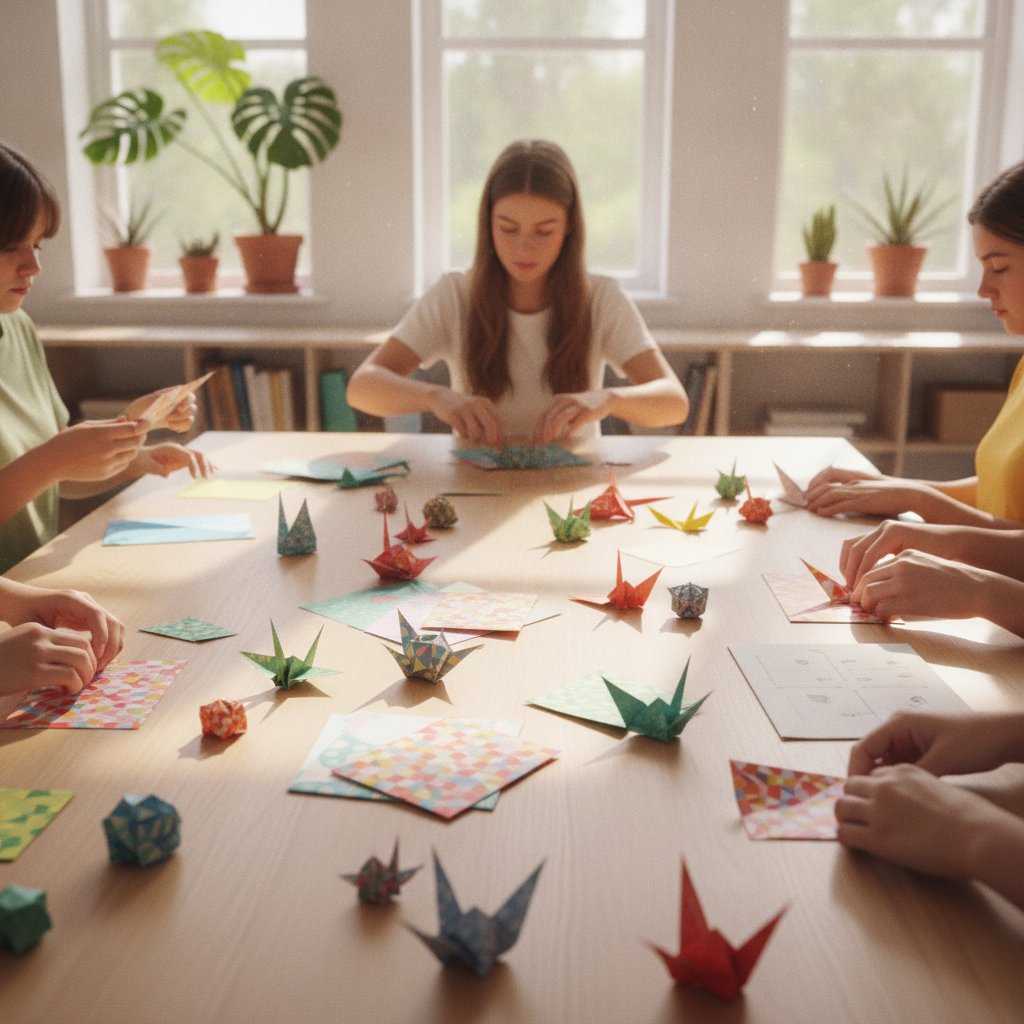
Each session provides quality paper in various weights and textures suitable for different projects. Instructors demonstrate each fold step-by-step, moving through the room to check individual progress and correct common mistakes before they become habits. This approach helps students develop accuracy and confidence in their folding abilities.
We maintain small class sizes of 8-12 participants to ensure everyone receives adequate attention during lessons. Courses run in 6-week blocks, with each 90-minute session building upon previous techniques. Students keep their completed models and receive diagrams for home practice. The curriculum follows established folding sequences used by origami societies, adapted for classroom learning with clear progression markers at each skill level.
Each course follows a structured curriculum that introduces folds in logical sequence, ensuring students master fundamentals before attempting complex models.
Focus on developing precise hand movements, understanding paper properties, and reading folding diagrams accurately through repeated practice.
Classes welcome students regardless of age or prior experience, with materials and instruction adapted to different learning speeds and physical abilities.
While teaching practical skills, instructors share the historical development of origami and its significance in Japanese culture and modern mathematical research.
Since opening, Quwupu has taught over 1,200 students across various skill levels. Our instructors hold certifications from the British Origami Society and continue their own practice, regularly attending workshops and conferences to stay current with new folding techniques and teaching methods. The studio maintains a reference library of 200+ origami books and diagram collections available for student consultation during open practice hours.
Located in South Kensington, the teaching space provides natural lighting essential for seeing crease lines clearly, along with large work tables that accommodate both individual and collaborative projects. Weekend workshops explore specific themes like seasonal decorations, geometric patterns, or animal designs, complementing the regular weekday course schedule.
Six years of teaching paper folding in London has given us measurable results and a community we're proud of
Discover techniques, creative ideas, and practical guidance to develop your paper folding skills. Each article offers clear instructions and insights from experienced instructors.
Starting with paper folding requires understanding six fundamental techniques. Valley fold, mountain fold, and reverse fold form the foundation. These basic movements appear in 80% of traditional models. Practice each fold separately before combining them into complete designs.
Read Article
Paper weight ranges from 60gsm to 100gsm for different projects. Lighter sheets suit complex models with multiple layers, while heavier paper holds crisp edges in geometric designs. Texture affects grip and final appearance. Standard 15cm squares work for most traditional forms, but larger sheets simplify learning new patterns.
Read Article
The crane, frog, and lotus flower represent centuries of refinement in paper folding. Each model teaches specific techniques applicable to contemporary designs. The crane develops symmetry skills through 17 precise steps. The jumping frog introduces action mechanisms. These traditional forms remain relevant teaching tools in structured courses across London studios.
Read ArticleThe information presented on this website is provided "as is" and is accurate to our knowledge at the time of publication. Quwupu reserves the right to modify, update, or remove any content without prior notice. While we strive to maintain current and precise information regarding our origami courses, schedules, and materials, we recommend verifying all details directly with our team before making any commitments. This website content is for general informational purposes only and should not be considered as professional advice. Quwupu limits its liability concerning the accuracy, completeness, or timeliness of the information provided. For specific queries about course availability, techniques, or requirements, please contact us directly using the provided contact details.