Курсы оригами in 2024: what's changed and what works
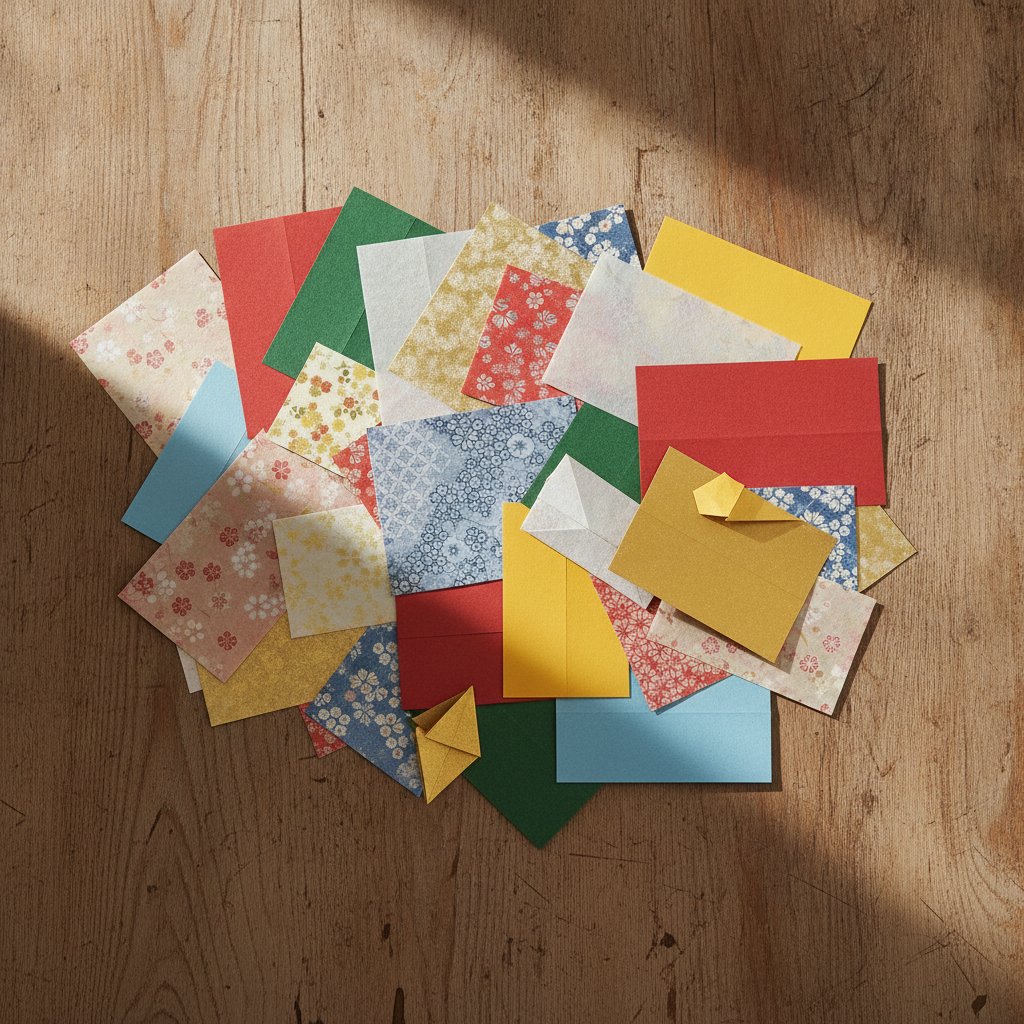
Paper folding has evolved from kitchen table hobby to legitimate creative skill, and 2024 marks a turning point in how people learn it. The origami course landscape looks nothing like it did even two years ago. Whether you're eyeing those satisfying crane tutorials or dreaming of complex modular designs, here's what actually matters now.
What's Changed in Origami Education This Year
1. Hybrid Learning Became the Default, Not the Exception
Remember when online courses meant watching grainy YouTube videos and squinting at unclear folds? Those days are dead. Modern origami instruction blends recorded lessons with live feedback sessions, usually 2-3 times per week. Platforms now use multiple camera angles—overhead, side view, and close-ups—so you can actually see what's happening with that tricky reverse fold.
The sweet spot seems to be 4-6 week programs with 90-minute sessions. Students get recorded content they can pause and rewind, plus scheduled Zoom workshops where instructors walk around (virtually) checking your work. One popular European platform reports 73% completion rates with this model, compared to 31% for purely self-paced courses.
Physical workshops haven't disappeared either. They've just gotten smarter. Weekend intensives now include take-home kits with QR codes linking to review videos. You learn the foundation in person, then reinforce at home without feeling abandoned.
2. Specialized Tracks Replace One-Size-Fits-All Beginner Courses
Generic "Intro to Paper Folding" courses are losing ground fast. Students want specific outcomes. Mathematical origami for STEM educators. Therapeutic folding for occupational therapists. Decorative designs for wedding planners and event stylists.
This shift makes sense. Someone learning origami to teach geometry doesn't need the same curriculum as someone creating paper flowers for Etsy. Specialized tracks typically run 6-8 weeks and cost between $120-$280, depending on materials included. The focused approach means faster skill acquisition—students report reaching intermediate level in roughly half the time compared to general courses.
Even kids' classes have segmented. There are now separate tracks for ages 5-7 (simple models, thick paper), 8-11 (intermediate complexity), and 12+ (introduction to wet-folding and advanced techniques).
3. Paper Quality Actually Matters Now (And Courses Teach Why)
Here's something that changed: instructors stopped pretending all paper works the same. Quality programs now dedicate entire sessions to paper selection, texture, and weight. Turns out that knowing the difference between 70gsm kami and 100gsm tant paper isn't snobbery—it's the difference between a crisp dragon and a crumpled mess.
Better courses include curated paper packs. Not random scraps, but specific sheets chosen for each project. A solid intermediate course might include 15-20 sheets of various weights and textures, usually adding $25-40 to the total cost. Students consistently rate this as worthwhile because it eliminates the "why doesn't mine look like that?" frustration.
Some instructors have partnerships with paper suppliers, offering 15-20% discounts on future purchases. Smart move, since students who understand paper quality tend to stick with the craft longer.
4. Community Features Separate Good Courses from Mediocre Ones
Private Discord servers, WhatsApp groups, dedicated subreddits—community infrastructure now makes or breaks a course. The best programs foster actual interaction, not just a comment section where students shout into the void.
Active communities share fold troubleshooting, paper recommendations, and progress photos. One instructor runs "fold-along Fridays" where students tackle the same model simultaneously in a voice chat. Another hosts monthly challenges with small prizes (usually specialty paper packs worth $15-30).
The data backs this up. Students in courses with active communities practice 2.4 times more frequently than those without, according to a survey of 800+ learners across different platforms. They're also three times more likely to attempt models outside the curriculum.
5. Pricing Shifted Toward Value-Based Models
The $29 course dump is dying. Instructors realized that underpricing attracts tire-kickers who never finish. Current pricing clusters around three tiers: basic self-paced ($80-120), hybrid with community access ($150-220), and premium with personalized feedback ($300-450).
Payment plans appeared everywhere in 2024. Breaking a $200 course into four monthly $50 payments dropped the psychological barrier significantly. Completion rates for payment-plan students actually run 12% higher than one-time payers, possibly because the recurring charge creates accountability.
Lifetime access became standard rather than a premium feature. Students can return months later to refresh specific techniques without repaying. Some instructors sweeten this with "evergreen updates"—new models added quarterly at no extra charge.
6. Certification Programs Gained Real Traction
Professional certification used to be niche. Now it's a legitimate pathway, especially for educators and therapists. Accredited programs require 40-60 hours of instruction plus a portfolio of 15-25 completed models demonstrating technical range.
These aren't cheap—expect $600-1,200 for legitimate certification. But graduates report tangible results: higher rates for workshops ($75-150/hour versus $30-50 for non-certified instructors), collaboration opportunities with schools and healthcare facilities, and enough credibility to launch their own beginner courses.
The International Origami Association now recognizes five certification bodies, up from just one in 2022. Standards vary, but all require demonstrated teaching ability, not just folding skills.
What Actually Works Right Now
The courses crushing it in 2024 share common DNA. They respect your time with structured progression, not endless content dumps. They provide real materials, not shopping lists. They build communities where people actually talk to each other. And they acknowledge that paper folding sits somewhere between art, geometry, and meditation—teaching accordingly rather than treating it like assembly instructions.
The barrier to learning origami has never been lower, but the path to actual skill has never been clearer. Pick a course that matches your specific goals, join the community, and start folding. That mountain of flat paper won't transform itself.